We may earn a commission if you buy through our links. How we’re funded.
Pack a small selection of complete earrings in separate protected compartments, with compatible posts and fronts kept together. Bring a simple inventory photo and change tiny parts over a tray or cloth. Leave pieces at home if losing them would outweigh the pleasure of wearing them.
Start here
Travel packing is mainly a problem of finding and keeping track of small objects. The best solution may be a case you already own, provided the pieces cannot freely knock against one another.
Choose roles before counting pairs
Start with the outfits and events on the trip. One familiar everyday option and one different occasion look may be enough. Add a third only if it fills a clear role.
Try the combinations before packing. A pair that needs an unfamiliar closure or an uncertain replacement post creates a problem to solve away from home. Take jewelry you already know how to handle.
If a piece is especially sentimental, make an explicit decision about whether to travel with it. Do not let it enter the case simply because it is your most valuable pair.
Protect and separate the pieces
GIA recommends protecting jewelry from scratches and impact during travel with padding and a separate box or case.
Translate that into a simple packing system: one complete pair or compatible set per protected space. A soft pouch can work for an individual item, but several loose earrings in the same pouch are harder to identify and keep apart.
| Type of jewelry | Packing approach | Avoid |
|---|---|---|
| Complete studs | Keep each pair together in its own space | Loose backs at the bottom of a shared bag |
| Detachable fronts and posts | Label matching components as a set | One mixed compartment of tiny unmarked parts |
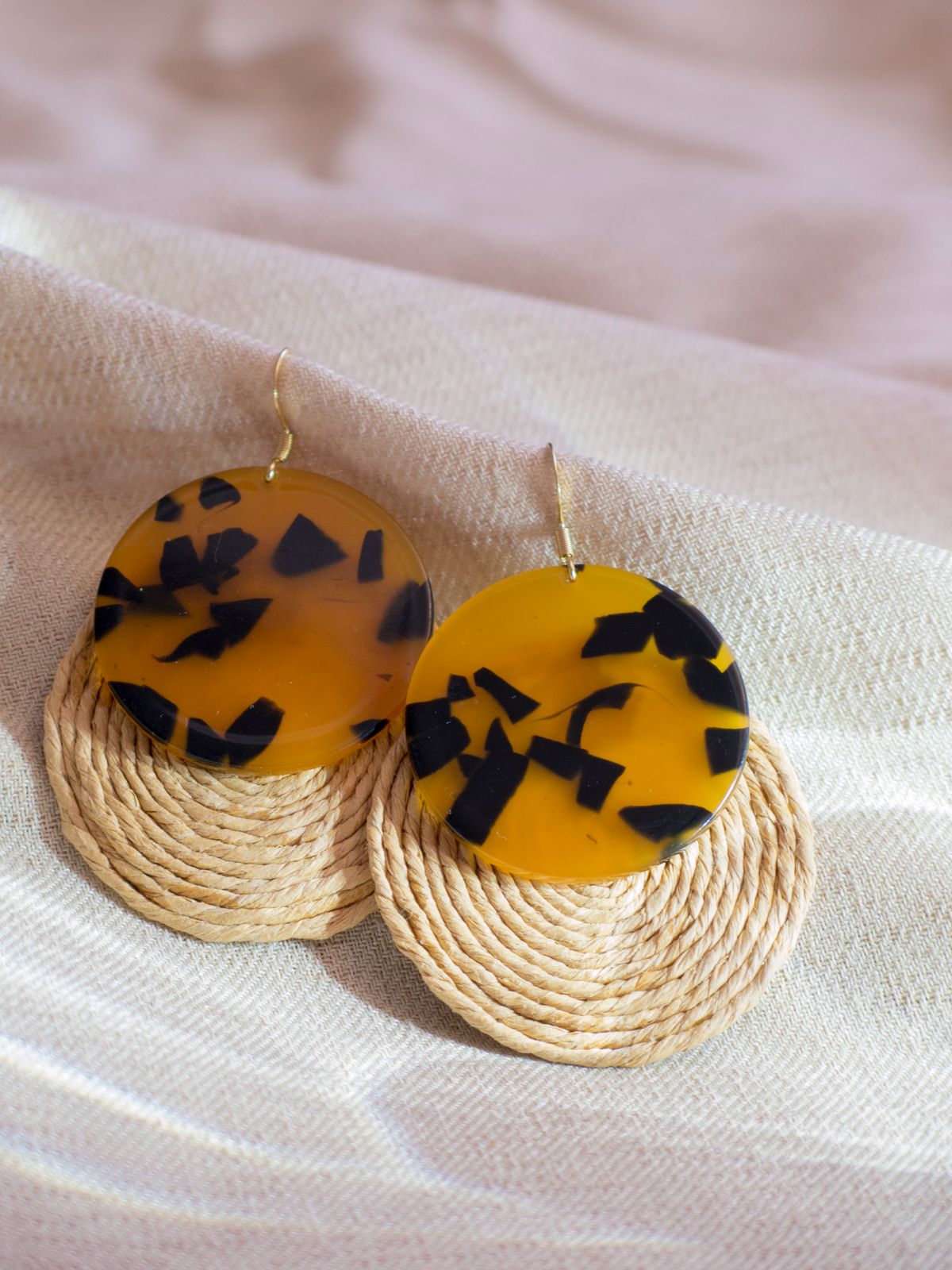
| Decorative drops | Give the full outline its own protected space | Forcing the case shut over projecting parts |
| Spare components | Pack only identified compatible spares | An assortment you cannot reliably match |
Sources 1
Photograph the open case
Take one clear picture before closing it. That becomes a quick inventory at the destination and when packing to return. If you bring parts separately, photograph their labels too.
The photo is a memory aid, not proof of insurance coverage or a guarantee against loss. Keep any formal documentation you need separately.
Create one changing spot
Choose a well-lit surface away from an open sink. Put down a light-colored cloth or shallow tray before handling tiny fronts and backs. Return parts to their assigned space immediately rather than leaving them beside the bed.
At checkout, compare the case with the original inventory photo. Check the changing surface before folding the cloth or clearing the room. This is easier than trying to remember every earring after luggage is closed.
You probably do not need a new travel case
Test your existing case at home: do the pieces remain separated, does it close without pressure, and can you identify each set quickly? If yes, use it. Buy a new organizer only to solve a specific issue, such as loose parts moving between compartments.
Our flat-back basics can help identify the components to keep together. Pack for the trip you are taking, not every possible outfit you might imagine.

Explore Cords Club
If your travel selection lacks a useful everyday option, compare Cords Club designs at home well before the trip. A new case or pair is optional.
Shop Cords Club ↗Affiliate linkSources
This guide draws on published product information, not hands-on testing. Sources and check dates are listed below.
- GIA: Tips on Caring for JewelrySource checked Sep 23, 2026
Spotted an error? Send a correction. Read our editorial policy.
